
Capabilities
Materials, processes, tolerances, equipment, capacity, industries, and part sizes should be indexable and easy to scan.
For machine shops, fabricators, OEM suppliers, industrial service teams, and regional manufacturers that need procurement-friendly content, RFQ workflows, and clear proof of what they can produce.
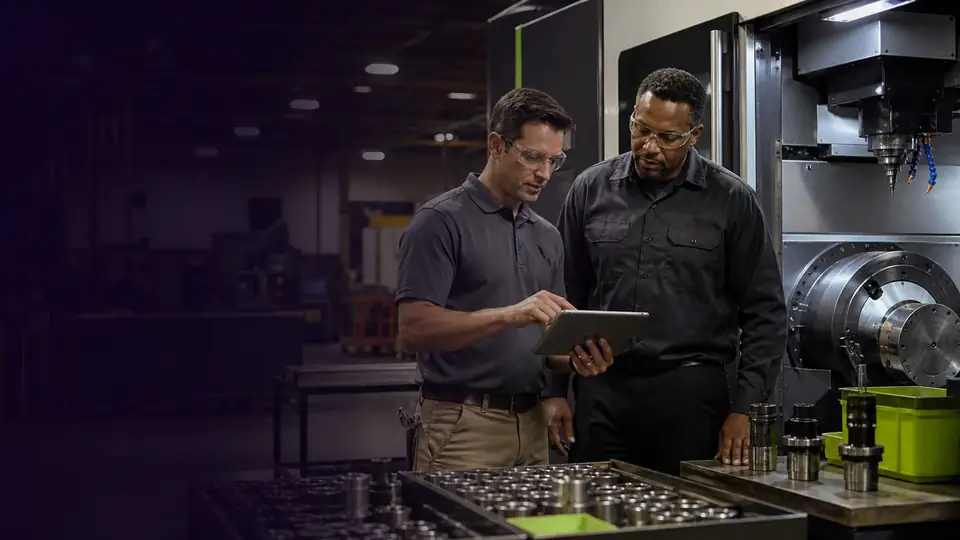
Procurement wants specifics, not brochure language. The site should let an engineer or buyer verify fit before the first conversation ever happens.
Materials, processes, tolerances, equipment, capacity, industries, and part sizes should be indexable and easy to scan.
ISO, AS9100, ITAR, safety programs, quality systems, and supplier requirements should be visible with helpful context.
Buyers need to upload drawings, explain requirements, choose timelines, and know when estimating will respond.

Manufacturing sites often bury the information procurement needs most. We structure it so engineers, buyers, and operations leaders can verify fit before the first conversation.
4 parts of the build, in the order we plan them.
01
We collect services, equipment, materials, tolerances, certifications, industries, and buyer questions.
02
Capabilities become structured pages and tables instead of dense paragraphs or hidden PDFs.
03
The request process captures files and requirements, sends confirmations, and notifies estimating cleanly.
04
We test file uploads, forms, speed, schema, analytics, and content ownership before release.
An engineer or sourcing professional may arrive with a process, material, tolerance, certification, part size, volume, or industry requirement already in mind. They should be able to confirm or rule out fit without hunting through a corporate-history page or downloading five unlabeled PDFs. Capability pages, equipment tables, quality information, industry experience, and contact ownership should form a clear research path.
Important specifications can remain available as downloadable line cards, but key facts should also appear in indexable, accessible page content. That makes the information easier to find, compare, update, and use on a phone.
The right RFQ form depends on how estimates are actually reviewed. File types, maximum upload size, required fields, confidentiality expectations, project timing, materials, quantities, and follow-up ownership should be decided with the people receiving the request. The confirmation should set realistic expectations without publishing a turnaround promise the shop cannot always meet.
For sensitive drawings or controlled information, a general website upload may not be the right destination. Security, access, retention, export controls, and customer requirements need a reviewed workflow beyond the visual form.
Quad Cities manufacturing has deep connections to agriculture, equipment, logistics, metalworking, and industrial supply chains. That local context can support the brand, but B2B search structure should follow how buyers source: capabilities, processes, materials, certifications, industries, and applications often matter more than a stack of city pages.
Use current, verifiable equipment details, quality systems, certifications, inspection capabilities, facility photography, accepted materials, typical project fit, and approved customer examples. If a name, logo, specification, or result cannot be shared, do not imply it.
Short answers to what manufacturing clients ask first.
Yes, but key capability details should also live as indexable page content so buyers and search engines can find them.
Yes. We can plan upload fields, file limits, routing, notifications, and secure handling expectations.
Sometimes, but B2B search often needs capability and industry pages more than city pages. We choose based on how buyers search.
Tell us about the work you want more of. We’ll map the pages, proof and follow-up that fit how your customers choose.