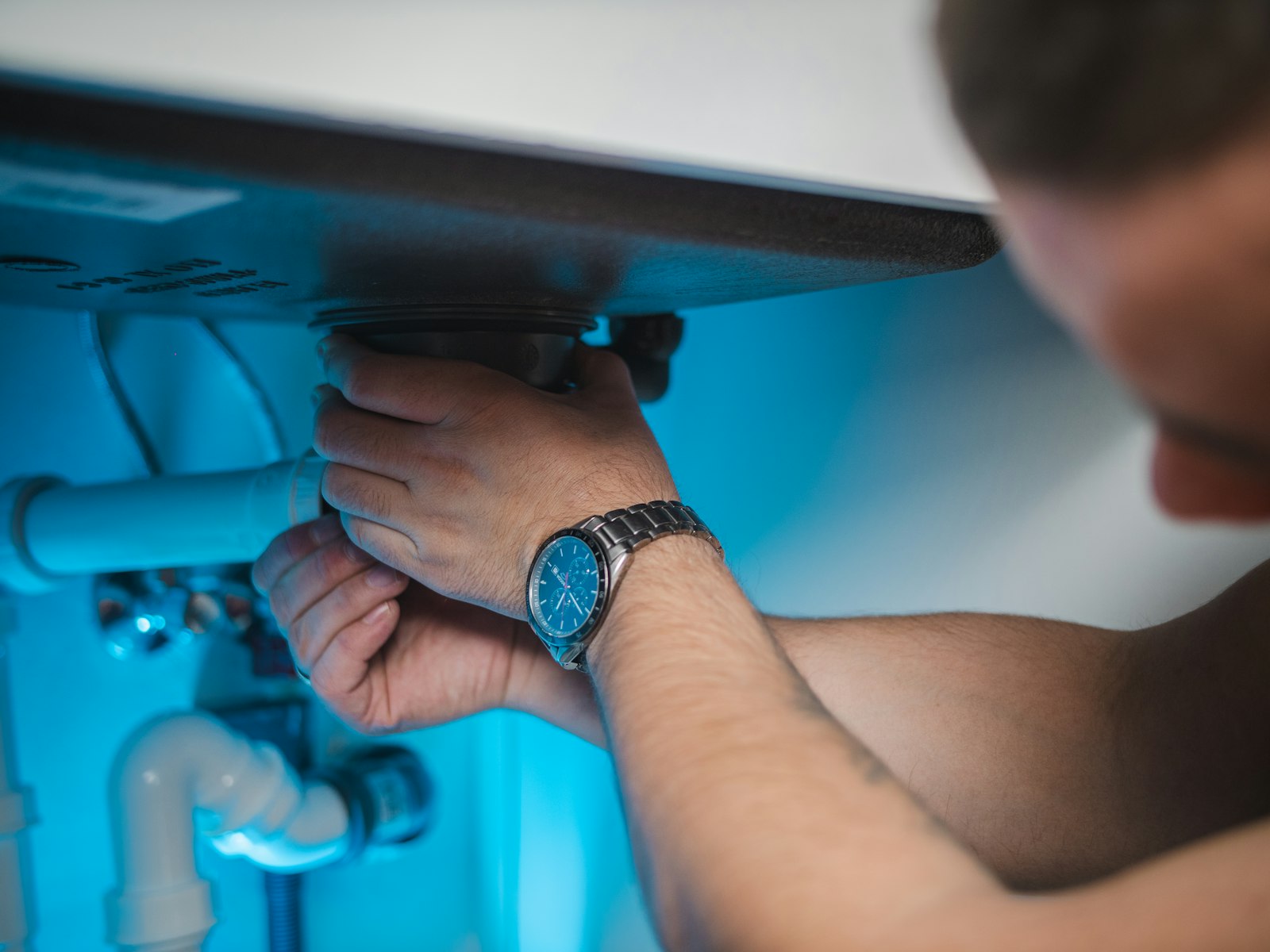
A Bettendorf plumber loses a $450 water heater job every time a call goes to voicemail. Missed call text-back exists for exactly this reason: the homeowner called the next number on the list before the plumber finished the job he was already on.
Here is a number that should bother every service business owner in the Quad Cities: 62% of business calls go unanswered during normal operating hours. Not after hours. Not on a holiday weekend. During business hours, on a normal Tuesday, while your plumber is under a sink or your HVAC tech is on a roof. And when that call goes to voicemail, 85% of callers never call back. They just dial the next name on the Google search results page.
That is not a marketing problem. That is not a website problem. That is a phone problem, and it is costing Quad Cities service businesses real jobs every single week.
The Math Nobody Runs
Say you run an HVAC shop. Your average service call books at somewhere between $340 and $650 depending on what’s broken, and a customer relationship over its lifetime is worth roughly $15,000. You already paid to get that phone number: $50 to $250 in ad spend or SEO cost per lead, according to industry benchmarks on HVAC lead generation. The lead exists. The demand is real. The only thing standing between you and the job is whether someone picked up the phone.
Plumbers see a similar spread. A trip charge alone runs $45 to $200, and a real repair job lands between $175 and $450, with water heater replacements pushing $1,300 to $5,500. When a plumbing lead costs $35 to $129 to generate, letting it go to voicemail is the single most expensive mistake a shop can make, and it happens dozens of times a month without anyone noticing.
We wrote about the five-minute rule for web form leads earlier this year, and the same math applies here, just faster and less forgiving. A form submission sits in an inbox. A missed call hangs up and the caller is already looking at their screen, deciding whether to try again or move on. You have seconds, not minutes.
What Missed Call Text-Back Actually Is
Missed call text-back is not complicated, and it is not a $10,000 software project. It is a rule: when an inbound call to your business line goes unanswered, the system automatically sends a text message to that caller within 30 seconds. Something simple. “Sorry we missed your call, this is [Shop Name] in Moline. Reply here and we’ll get right back to you, or call again anytime.”
That single message keeps the conversation alive at the exact moment the caller is deciding whether to try someone else. It does not replace a human callback. It buys you the time to make one.

The text has to come from a real, callable number, ideally the same one that just rang. A caller who gets a text from an unrecognized short code assumes it’s spam and ignores it.
How it gets built
Most setups run on a VoIP or cloud phone system (RingCentral, Aircall, JustCall, or a Twilio-backed line) connected to an automation tool like Zapier. The trigger is a missed call event. A “Format Phone Number” step standardizes the caller ID. The action sends an SMS through Twilio or a similar provider back to that number. Twilio’s own pricing runs about $0.0085 per minute of inbound call time and $0.0083 per text, which means the raw cost of running this system for a small shop is a few dollars a month. The setup work, not the software, is where the value is: getting the trigger reliable, the message right, and the reply routed to a person instead of a dead inbox.
Why This Matters More for Service Businesses Than Anyone Else
A SaaS company that misses a call loses a demo booking. A plumber who misses a call loses a burst pipe job to the company three exits down I-74. Service businesses live and die by the phone in a way that most industries do not, and the Quad Cities service economy (auto repair, plumbing, HVAC, contractors, dental practices) is built almost entirely on inbound calls from people who need something fixed today, not next week.
Response time is one of the strongest predictors of whether a lead converts at all. Businesses that respond within five minutes close dramatically more often than businesses that wait even thirty. And 78% of customers end up buying from whichever company responds first, not whichever company does the best work. That is an uncomfortable fact for anyone who believes quality alone wins the job, but it is the reality of how people shop for emergency and semi-emergency services.
Response time is one of the strongest predictors of whether a lead converts, and 78% of customers buy from the company that responds first.
If you are a one-truck operation in Rock Island juggling a job site and a ringing phone, you are not going to out-hustle that math by trying harder. You need the system to buy you the minutes a human callback can’t.
Missed Call Text-Back vs. What You’re Probably Doing Now
Most Quad Cities service businesses handle missed calls one of three ways, and none of them hold up under the numbers above.
The default for most shops
A caller hits voicemail, maybe leaves a message, maybe doesn’t. You call back when you get a chance, usually hours later. By then, 85% of those callers have already moved on to a competitor.
Automated, immediate, cheap
The caller gets a text within 30 seconds, before they’ve had time to search for another number. You call back within minutes with the context already established. Setup costs a few hundred dollars once; running costs are a few dollars a month.
There’s a third option, an answering service or a full-time receptionist, and it works, but it runs $500 to $2,000+ a month for a small operation. Text-back doesn’t replace a receptionist for a shop that can afford one. For everyone else, it is the highest-leverage fix available.
Building This the Right Way
A missed call text-back system that actually works has a few non-negotiables:
- Message fires within 30 seconds of the missed call, not five minutes later
- Text comes from the business’s real, callable number
- Message includes the business name and a way to reply that reaches a real person
- A single follow-up text tied to an inbound call generally falls under the TCPA’s established-business-relationship exception, but a marketing blast to the same number does not; keep those systems separate
- Reply routing goes to whoever answers your phones, not a black hole inbox nobody checks
- The system logs the missed call and the reply so nothing falls through twice
That last point trips up a lot of DIY setups. A missed call text-back Zap with no logging just moves the problem: now instead of a missed call, you have an unanswered text thread. The automation has to close the loop, not just start it.
A callback hours later. By then, 85% of callers are gone.
A text in 30 seconds. The caller is still on the hook.
What This Costs and What It’s Worth
A standalone missed call text-back tool runs $20 to $100 a month if you buy it off the shelf. Built properly into your existing phone system and CRM, with logging, reply routing, and a fallback for after-hours calls, it is closer to a one-time project than a subscription. At QC Webworks, workflow builds like this start from $499 and typically take one to two weeks, covering the audit of how your calls come in today, the build itself, and training so it does not become a black box nobody on your team understands.
Compare that to the math from earlier. One recovered plumbing job pays for the setup outright. One recovered HVAC job pays for a year of the software. This is one of the rare marketing investments where the payback period is measured in the first week, not the first quarter.
Start Here If You Run a Service Business in the Quad Cities
You don’t need to build the whole system today. Start with the diagnosis:
-
Call your own business line
From a phone that isn’t saved in your contacts, during business hours, and let it ring out. Time how long until it goes to voicemail, and time how long until anyone on your team notices.
-
Pull your call log for the last 30 days
Most VoIP systems and even basic cell carriers show missed vs. answered calls. Count the missed ones. Multiply by your average job value. That number is what a text-back system is protecting.
-
Decide who owns the reply
Before you automate anything, decide which person on your team is responsible for responding when a text comes back in. Automation without an owner just moves the bottleneck.
If that math is uncomfortable, and for most service businesses in Moline, Davenport, Bettendorf, and Rock Island it will be, the fix is not complicated. It is a text message that fires before the caller has time to think twice.
If your website itself is part of the problem, slow to load, no click-to-call, no way for a mobile visitor to reach you in one tap, that’s worth fixing at the same time. See our web design services or read about why a slow website is costing you more than you think.
Frequently asked questions
What does an unanswered call cost a service business?
Say you run an HVAC shop. Your average service call books at somewhere between $340 and $650 depending on what’s broken, and a customer relationship over its lifetime is worth roughly $15,000.
What is missed-call text-back?
Missed call text-back is not complicated, and it is not a $10,000 software project. It is a rule: when an inbound call to your business line goes unanswered, the system automatically sends a text message to that caller within 30 seconds.
Which service businesses benefit most from text-back?
A SaaS company that misses a call loses a demo booking. A plumber who misses a call loses a burst pipe job to the company three exits down I-74.
How is automated text-back better than voicemail alone?
Most Quad Cities service businesses handle missed calls one of three ways, and none of them hold up under the numbers above. There’s a third option, an answering service or a full-time receptionist, and it works, but it runs $500 to $2,000+ a month for a small operation.