An estimate that gets no reply is rarely a no. More often the homeowner is waiting on two other bids, talking it over with someone, or stuck on a line item they did not want to ask about. A short, dated quote follow up email plan answers those situations before the job goes to whoever stayed in touch.
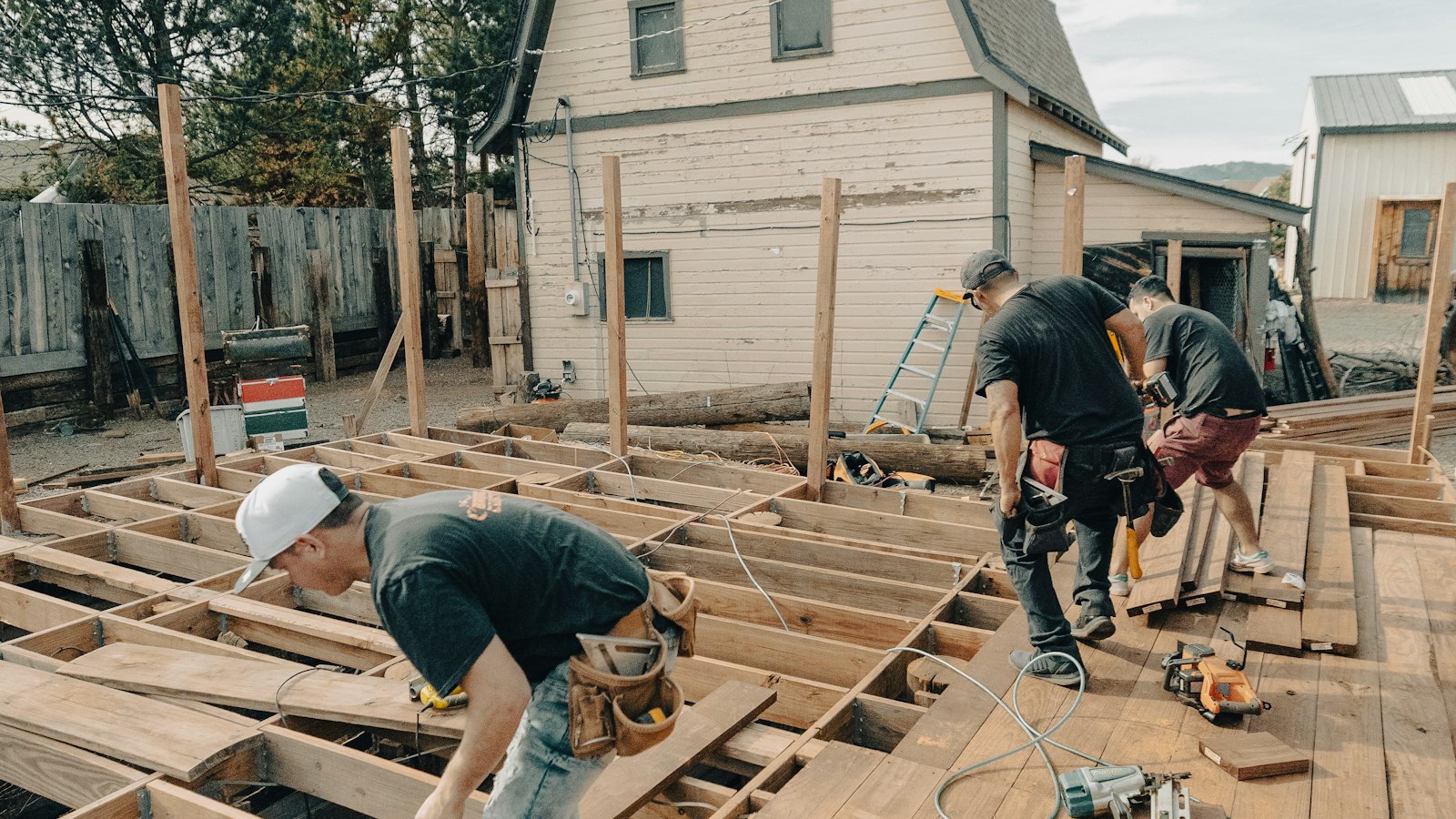
This is for the owner who prices the work and also runs the crew: a deck builder, roofer, painter or remodeler with no office staff chasing estimates. The example below is illustrative, not a client record. It uses one residential deck quote so each message has a concrete job to do. Swap in your own trade and numbers.
Quote sent Tuesday, then nothing
The estimate goes out the night of the site visit. The homeowner says they will talk it over. No date is set for the next contact, so it depends on who remembers first. Three weeks later the quote still shows awaiting response and nobody knows whether the job is lost, delayed or stuck on one question.
Four contacts, each with a reason
Day 2: confirm it arrived and explain the line item people ask about. Day 6: add one new fact, such as your start date or a phasing option. Day 9: call, because a ticket this size deserves a voice. Day 14: ask whether to close the file. Any reply, signature, booking or no ends the sequence.
Why the gap after the quote is worth closing
By the time an estimate lands in someone's inbox, you have paid for the lead, the phone call, the drive and an hour or two of pricing. A follow-up costs a few minutes. It is also the step that slips first when the owner is also the estimator and the person on the job site.
The pattern shows up in larger firms too. In a September 2026 BuildOps survey of 76 commercial contractors, 29.2% said quotes are not followed up. Those are commercial shops, often with office staff. A two-truck residential crew has fewer hands, not more.
The quote follow up email sequence, message by message
Count from the day the estimate goes out. Each touch has one job. If a message would only repeat the last one, skip it.
Day 2: confirm it landed and answer the likely question
Keep it short and give a reason to open it. Name the line item that most often causes hesitation and explain it in a sentence. For example (illustrative):
Subject: Your deck estimate, and the footings line
Hi Dana, making sure the estimate came through. Most people ask about the footings line. Those are the concrete piers that keep the deck from shifting after a freeze and thaw winter, and they are why our number can run higher than a quote that leaves them out. Happy to walk through any of it in ten minutes. Reply here or text the number below.
Leave out "just checking in" and "touching base." They tell the reader nothing they can act on.
Day 6: add something they did not have
This is the message most shops never send. Add one new, useful fact instead of restating the price: your current start date, a material alternative, a way to phase the work, or a link to a finished project like theirs. If you link to your website, make sure the page carries real project photos and loads quickly on a phone. A thin page undercuts the message. Our web design work for service businesses starts from that use.
Day 9: call on the bigger tickets
For work above a few thousand dollars, put a phone call between the second and third email. If nobody answers, leave a short voicemail and a text that says there is no rush. If a callback might come in while you are on a roof, missed call text-back keeps it from disappearing.
Day 14: offer a clean way to say no
This message feels awkward to send. It also tends to get answers, because it asks a question that is easy to reply to. For example (illustrative):
Subject: Should I close out your estimate?
Hi Dana, I don't want to keep filling your inbox. If you went another direction or the project is on hold, just say so and I'll close the file. If you still want it built this year, reply "still in" and I'll hold a spot on the schedule.
A "we went with someone else" is useful too. It tells you to stop, and over time the reasons show you whether the problem is price, timing or how the estimate is presented.
What to automate and what to keep personal
The schedule is easy to describe and hard to keep by hand during a busy week. Automate the timing, not the voice.
- Timing. Start the sequence when an estimate is marked sent. Jobber's quote follow-up automation sends up to two reminders a set number of days after the quote, by the same channel as the original, on its Connect plan and above. If your estimates live elsewhere, a CRM or a Zapier workflow can watch for a sent estimate and queue the messages.
- The stop. Every reply, signature, booking or lost status should end the sequence. A reminder that arrives after someone has signed costs more trust than the follow-up earned. Test the exit before you turn it on.
- The words. Write the templates once in your own voice, then add one specific line before the day 6 message goes out. That line is what makes it read like a person.
- Delivery. If messages come from your own domain, check SPF, DKIM and DMARC first. Our email authentication audit covers it.
We wire this up as part of marketing automation for local service businesses, but the sequence works the same whether a tool or a calendar reminder drives it.
Keep it a one-to-one message
A quote follow-up is about a job the customer asked you to price. Keep it plain, short and from a real person, and do not add the customer to a promotional list as a side effect. If you later send marketing email, the FTC's CAN-SPAM compliance guide lists what each commercial message needs, including a working opt-out and your physical address.
Give people a way to answer when they finally read it at 9 p.m. A reply-to address you check, a text number or an online booking link all work. "Call the office during business hours" does not.
Check whether it is working
Track three numbers each month: estimates sent, estimates won, and wins that came after at least one follow-up. The third number shows whether the sequence pays for itself. If quote requests start on your website, tracking leads in GA4 connects the first click to the signed job. If leads are going cold before you ever quote, the gap is earlier, and our post on speed to lead covers that stage.
A useful result: every estimate leaves with a dated next contact, each message adds something the customer did not have, and the sequence stops the moment they answer. Write it down, set the reminders, and look at the day 14 replies each month to see where jobs are really going.
Sources and scope
Guidance checked October 22, 2026. Examples are illustrative unless an original source is named.
- BuildOps: Only 14% of contractors are confident they catch every dollar owed — Share of contractors reporting unfollowed quotes
- Jobber Help: Automations — Quote follow-up automation behavior
- FTC: CAN-SPAM Act compliance guide for business — Requirements for commercial email